RoboBattles Stadium is the premier competitive venue for RoboBattles in Stardust Springs. Originally converted from an abandoned manufacturing facility as part of Mayor Lily Ishii's environmental initiatives, the stadium has become the heart of the town's competitive recycling scene.
The building that now houses RoboBattles Stadium was formerly the Stardust Manufacturing Coalition's main assembly plant. When RoboBattles began gaining popularity under Mayor Ishii's administration, the facility was repurposed to accommodate the growing spectator sport. The renovation preserved many of the building's original industrial features, incorporating them into the stadium's distinctive aesthetic that celebrates Stardust Springs' manufacturing heritage.
The stadium's first official RoboBattles competition marked the transformation of RoboBattles from informal matches at the recycling center into a structured sporting event.
The details of the incident remain subject to debate— a closely guarded secret among Judge Hill and other community members who were present at the time.
The main battle arena features a reinforced competition space surrounded by safety barriers, which are regularly inspected by Head Judge Ethan Hill for stability. The arena floor features special surfaces designed to accommodate various robot designs while protecting the underlying structure from damage.
True to the spirit of RoboBattles, the stadium incorporates an advanced materials sorting system. Designated areas around the arena allow for immediate collection and categorization of parts from defeated robots. These materials are transported throughout Stardust Springs for reuse, to places like the reycling center or community workshops like for reuse in future robot construction.
Standing-room observation decks that provide multiple viewing angles
Digital scoreboards showing match statistics and recycling metrics
Concession areas featuring local vendors
Competitor preparation areas equipped with basic tools and emergency repair stations
Under the strict supervision of Judge Ethan Hill, the stadium maintains rigorous safety standards:
Regular inspection of safety barriers and arena infrastructure
Strict enforcement of robot construction guidelines
Designated "scrap-free zones" to prevent flying debris incidents
Clear evacuation routes and emergency procedures
RoboBattles Stadium has become more than just a sports venue—it represents Stardust Springs' successful fusion of environmental responsibility with community entertainment. The facility has inspired similar venues in other communities and serves as a model for how industrial spaces can be repurposed for innovative environmental initiatives.
The stadium's success has contributed significantly to Stardust Springs' reputation as a leader in environmental innovation and community engagement, while providing a platform for the continued growth and development of RoboBattles as a sport.
Judge's observation platform with enhanced viewing capabilities
Advanced lighting system for optimal visibility during matches
Built-in cameras for match recording and live streaming
Emergency response systems including fire suppression and first aid stations
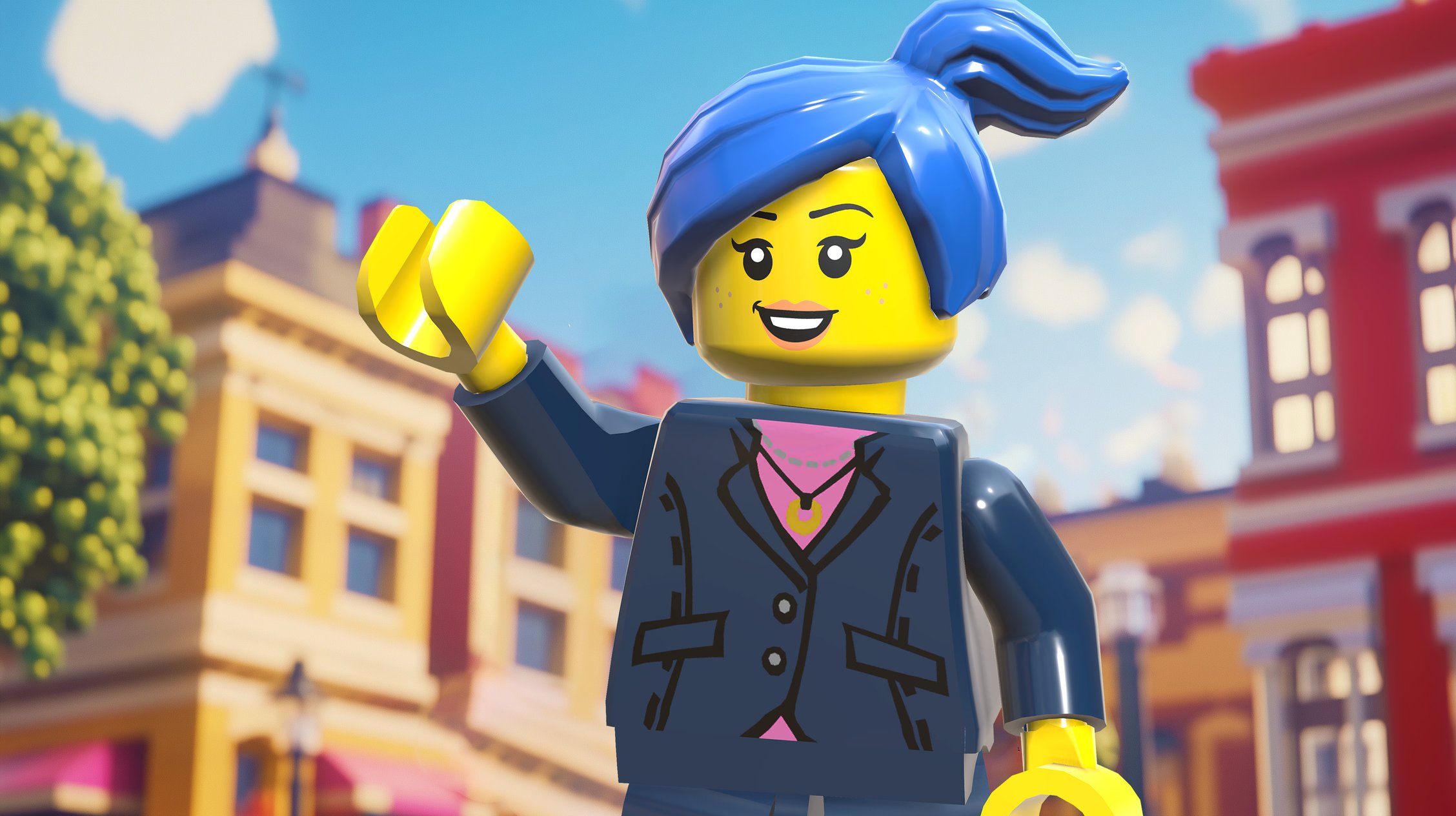
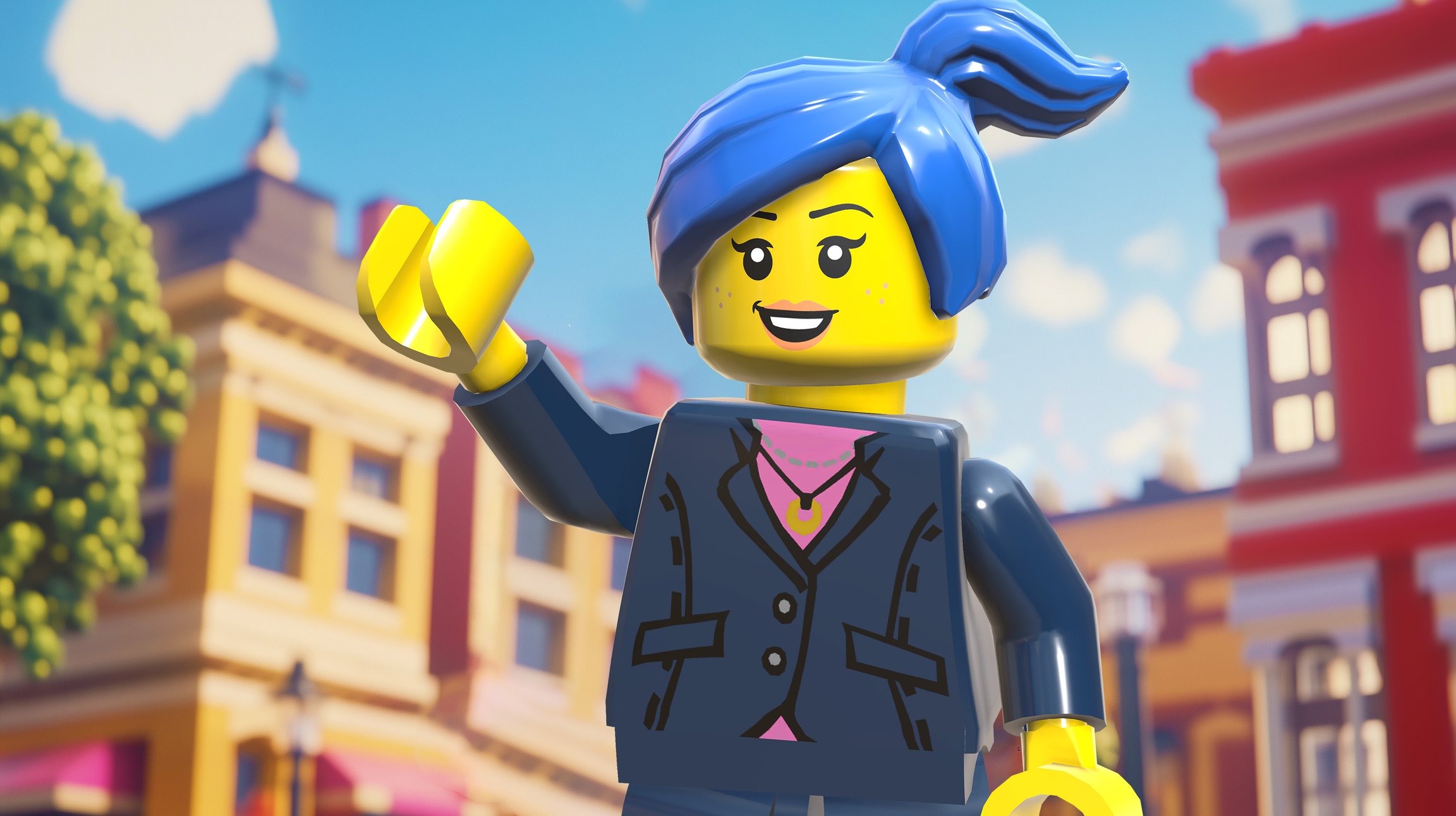
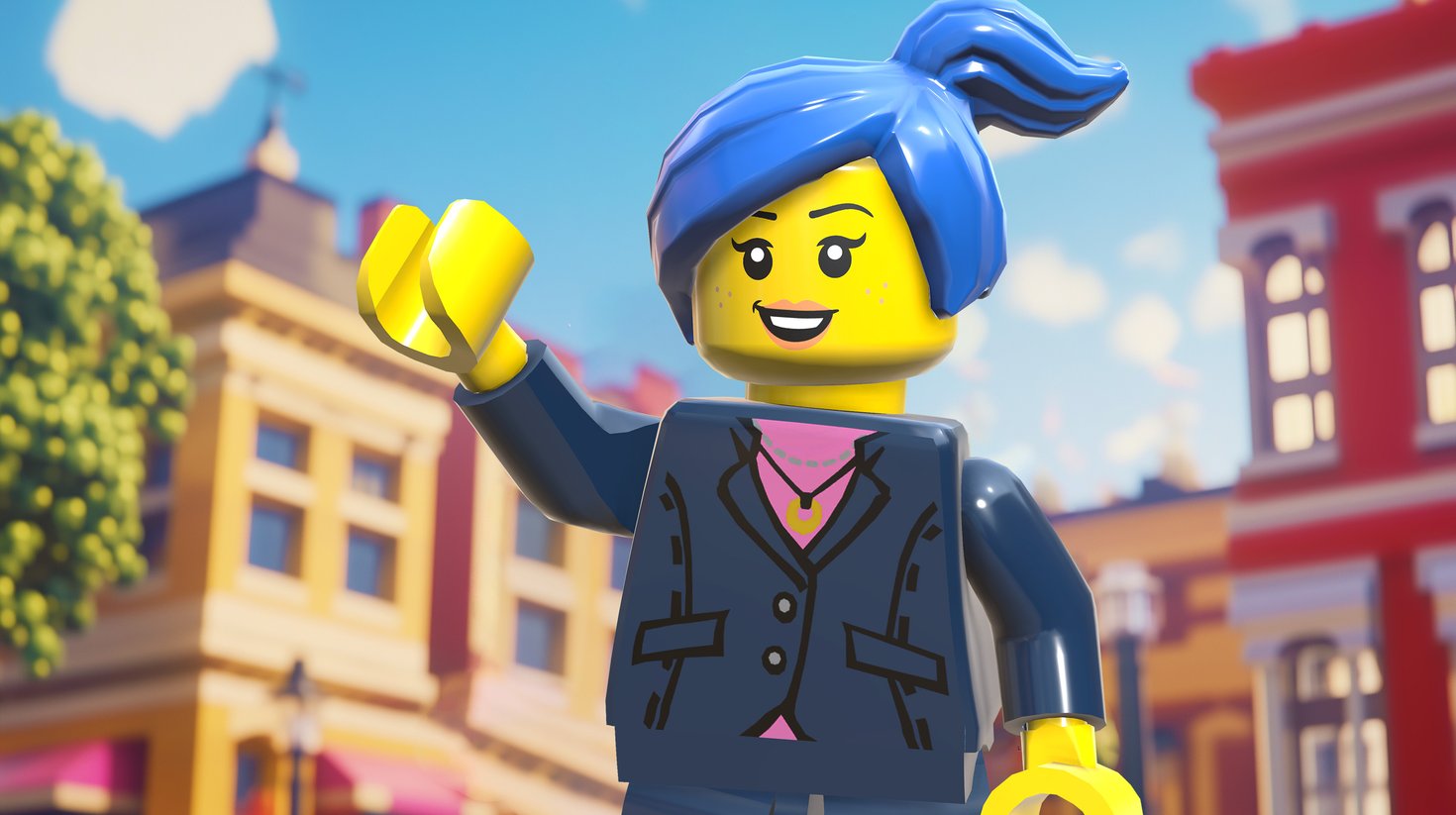
Lily Ishii is the current mayor of Stardust Springs. She is the youngest person to hold this position in the town's history, taking office at age 19. She is known for her innovative approach to environmental issues, most notably turning recycling into a competitive sport through the establishment of RoboBattles.
Lily was born to Dr. Akiko Ishii, a teacher, and Dr. James Ishii, a manager at a renewable energy company. Her mother's diplomatic approach to academic politics contrasted with her father's dynamic, risk-taking leadership. The dinner table often became an impromptu lesson in negotiation and problem-solving, with her parents encouraging her to defend her opinions and propose solutions to family decisions, from vacation planning to household rules. By age ten, Lily was already mediating disputes between her younger siblings and organizing neighborhood kids into elaborate games that she invented.
At Stardust Springs Public School, Lily learned quickly how to get things done. When her third-grade class needed to raise money for a field trip, she transformed the typical bake sale into a "taste-testing competition" that had students from every grade voting on their favorite treats with spare change. The event raised triple the usual amount and became an annual tradition. During the sixth-grade budget crisis that threatened the school festival, Lily mobilized her classmates to run the event entirely by themselves, coordinating student volunteers, parent committees, and local sponsors. The festival's success led to the creation of a permanent Student Events Committee.
The seeds of RoboBattles were planted during Ishii's junior year of high school, when she noticed how the school robotics club regularly scrounged through the recycling bins for parts. While she had little interest in building robots herself, she was fascinated by how the club members could transform seemingly worthless junk into working machines.
Around the same time, Ishii was working a part-time job at the town's recycling center, where she saw firsthand how many potentially useful materials ended up being processed or discarded. She began setting aside interesting mechanical parts for the robotics club, creating an informal exchange system that soon drew in other schools' teams as well.
In Lily's final year of high school, she was elected student body president. Her talent for turning mundane school initiatives into engaging community events caught the attention of local political leaders. After graduation, Lily spent a few months working at a restaurant before making the bold decision to run for mayor. She believed that Stardust Springs was ready for a fresh approach to community engagement.
Ishii's election as mayor of Stardust Springs marked a significant milestone in the town's history, breaking the previous record for youngest mayor by over 20 years. Her campaign focused on modernizing the town's approach to environmental challenges while engaging younger generations in community initiatives.
Ishii receives hundreds of requests daily from citizens of Stardust Springs. She is a strong delegator, asking others to pitch in when possible and sharing clear directions. When she sees community members, she asks them, "How are you doing? How is your family?" and listens. She is not afraid to tell residents, "Remember, it’s important to follow the law." While Ishii is always eager to help when possible, when she receives a request she can't fulfill, she is good about saying "no" and pointing people in the right direction to find help elsewhere. She recognizes the importance of community and is clear about her goals. Therefore, she gets results.
Ishii's signature achievement as mayor has been the transformation of recycling into a spectator sport known as RoboBattles. This innovative program combines environmental sustainability with community entertainment, encouraging residents to repurpose waste materials into combat-ready robots.
The first unofficial "battle" happened by accident, when two robotics teams showed up at the town's recycling center to claim the same pile of old printer parts. Instead of arguing, they agreed to compete for them, each building something on the spot with whatever they could find. When the battle was over, both robots had been broken down completely into easily reusable scrap. The event drew a surprising crowd of onlookers, and Ishii immediately recognized the potential for something bigger.
Within months, she had organized the first proper RoboBattle in the recycling center's parking lot, promoting it as "Stardust Springs' First Recycling Competition." The combination of spectacle and sustainability caught on quickly, though few could have predicted it would eventually become the town's signature sport.
The Neighborhood Workshop Initiative transforms vacant storefronts into community makerspaces. Initially proposed as a way to revitalize Stardust Springs' aging downtown district, these workshops serve as local hubs where residents can repair household items, learn practical skills, and work on personal projects.
Each workshop is equipped with tools and staffed by volunteer experts from the community—retired mechanics, craftspeople, and tech professionals who share their knowledge with younger generations. The spaces have become particularly popular with RoboBattles competitors seeking guidance on their designs, but they also host everything from furniture repair clinics to DIY electronics classes.
The most famous success story is , the popular workshop founded by .


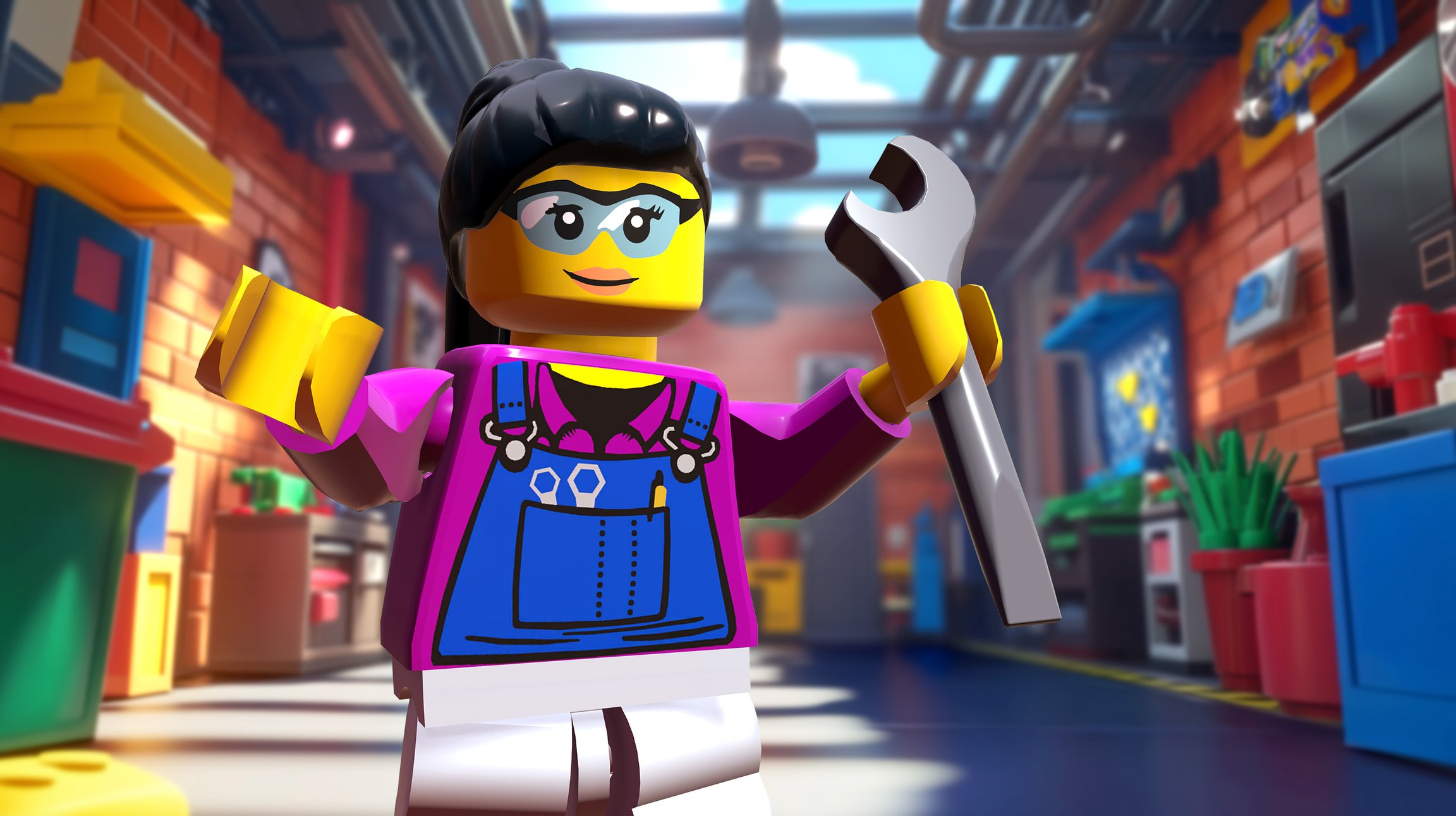
Zoe's Garage is a community makerspace and robot crafting hub located in Stardust Springs. Originally a family-owned aircraft repair shop, the facility was repurposed as part of the Neighborhood Workshop Initiative. Under the leadership of owner-operator Zoe Foxlin, it has become a central gathering place for RoboBattles competitors and aspiring builders.
The building that houses Zoe's Garage was originally Foxlin's Air Repair, operated by Zoe's mother for over forty years. When her mother retired, the building remained in the family. The space found new life when Mayor Ishii launched the Neighborhood Workshop Initiative, a program designed to transform vacant storefronts into community makerspaces. Zoe Foxlin, who had grown up learning mechanical skills in the shop, converted the former aircraft repair business into what would become one of Stardust Springs' most popular community workshops.
The facility provides tools, workbenches, and assembly areas where competitors can craft and maintain their robots. The space maintains many of the professional-grade tools from its auto repair days, supplemented with equipment specifically suited for robot construction.
The garage functions as a collection point for salvaged materials. Builders can find everything from discarded appliances to mechanical components, all carefully sorted and stored for reuse.
New builders can receive guidance and technical instruction from Zoe Foxlin and other experienced community members. The garage offers both formal workshops and informal mentoring opportunities.
Foxlin keeps a drawer well stocked with her frequent visitors' favorite snacks.
Zoe's Garage has become more than just a workshop—it represents the intersection of Stardust Springs' industrial heritage and its commitment to environmental sustainability. The facility plays a crucial role in supporting the growth of RoboBattles as a sport, promoting creative approaches to recycling and reuse, and preserving and sharing mechanical knowledge across generations.
The success of Zoe's Garage has made it a model for other communities implementing similar workshop initiatives. Its transformation from an auto repair shop to a robot-building hub mirrors Stardust Springs' larger evolution from an industrial center to a leader in environmental innovation.
The garage's philosophy of combining practical mechanical knowledge with playful creativity has influenced the broader RoboBattles community, encouraging builders to consider both the technical and entertainment aspects of their creations.
As RoboBattles continues to grow in popularity, Zoe's Garage remains at the forefront of innovation in robot design and construction techniques. The facility continues to expand its programs, working closely with Mayor Ishii's administration to promote environmental sustainability through creative engineering.


Ethan Hill serves as the head judge of RoboBattles in Stardust Springs. Appointed by Mayor Ishii, Hill is known for his encyclopedic knowledge of RoboBattles regulations and precise judgment calls.
Hill spent his childhood as an avid board game enthusiast. In junior high, he developed a passion for competitive card games. He worked part-time at a local game shop, where he taught game mechanics to new players in card tournaments. His notebooks from this period are filled with observations about tournament formats and suggestions for improving event organization, interspersed with his characteristic dry humor about particularly memorable rule disputes.
Hill stumbled into RoboBattles during its early days, when matches were still being held in the town recycling center. He initially came to watch his roommate compete, but found himself oddly fascinated by the makeshift rule systems different competitors used. While others debated robot designs, Hill filled his notebook with ideas for standardizing match procedures.
As RoboBattles grew in popularity, Hill's notebooks of carefully documented precedents and procedures helped legitimize the sport while maintaining its core mission of promoting recycling and sustainability. Mayor Ishii recognized the importance of his work and appointed him head judge of RoboBattles. Hill's notebook became the foundation of the official RoboBattles rulebook.
Perhaps the most infamous event in Hill's judging career. While the details of this 2024 incident remain subject to debate, competitors still speak in hushed tones about the day Hill used his whistle seventeen times in under two minutes.
Hill's judging style features strict adherence to rules. During matches, he maintains constant vigilance, his eyes tracking every movement while his hand rests readily on his whistle. He makes swift, fair judgments without hesitation. His penalty calls have become known for their brevity and dry humor, as he assumes all competitors are already familiar with the rules.
As head judge, Hill continues to refine the RoboBattles rulebook. He approaches rule development like a chess player, thinking several moves ahead to anticipate potential loopholes or unintended consequences. Each new rule undergoes rigorous testing through hypothetical scenarios before implementation.

Stardust Springs is a small town known for its innovative approach to environmental sustainability, most notably through its unique RoboBattles competition system and comprehensive community workshop network. The town gained notoriety under the leadership of current mayor Lily Ishii for transforming recycling into a spectator sport called RoboBattles.
Originally established in the 1850s as a mining community, Stardust Springs gained its name from the unusual sparkle of mineral deposits in its natural waterways. The discovery of these minerals by prospector Thomas "Starry" McCallister led to a rapid influx of settlers hoping to strike it rich. The town's original settlement was built around three main springs: North Star Spring, Evening Star Basin, and the now-dried Morning Star Creek.
When the mines began to show signs of depletion in the late 1890s, town leaders made a strategic decision to pivot toward manufacturing rather than allowing Stardust Springs to become a ghost town. Mining machine shops were converted into manufacturing facilities, producing everything from agricultural equipment to household appliances.
This transition period brought significant changes:
1902: The Stardust Manufacturing Coalition formed, uniting former mining operations into a coordinated industrial base
1912: Opening of the Technical Training Institute, which would later become a crucial center for engineering education
1928: Establishment of the Springs Conservation Act, protecting the town's water sources
1935: Launch of the "Made in Stardust" campaign, promoting local manufacturing
The town's springs remained a central focus of conservation efforts. This environmental consciousness would later influence the town's embrace of recycling and sustainability initiatives.
The post-World War II era saw Stardust Springs emerge as a regional industrial center. The town's manufacturers shifted from wartime production back to consumer goods, with a special focus on household appliances and automotive parts. This period established many of the industrial practices that would later influence the town's approach to recycling and reuse.
Key developments included:
1947: Creation of the Industrial Innovation Zone, which provided space for new manufacturing ventures
1956: Establishment of the first town recycling program, initially focused on scrap metal recovery
1963: Opening of the Materials Research Laboratory
1975: Launch of the "Clean Manufacturing Initiative," an early attempt to balance industrial growth with environmental concerns
The late 20th century marked a turning point in Stardust Springs' relationship with environmentalism. A series of studies in the late 1980s revealed concerning levels of industrial pollution in the remaining springs, catalyzing a community-wide movement toward sustainable practices.
This period saw several crucial developments:
1991: Implementation of the Springs Restoration Project
1995: Opening of the state-of-the-art Materials Recovery Facility
2001: Launch of the "Zero Waste by 2030" initiative
2008: Creation of the Sustainable Business Certification Program
The election of Lily Ishii marked the beginning of a new chapter in Stardust Springs' history. Under her leadership, the town has transformed its industrial heritage into a unique blend of environmental innovation and community engagement. The introduction of RoboBattles as an official sport represents the culmination of the town's long journey from mining camp to sustainable community hub.
Stardust Springs has a history of selecting mayors who reflect the town's evolving identity:
Thomas "Starry" McCallister (1850-1868): The town's founding mayor and original discoverer of the mineral deposits. Established the basic infrastructure and governance systems while running the Stardust Mining Company. Known for his "open-door" policy that allowed any resident to voice concerns directly to him, usually over a cup of coffee in his office.
Theodore Blackwood (1868-1885): A former mining engineer who guided the town through its peak mining years. Established the town's first formal education system and laid out the original town planning grid that still influences development today. Resigned due to health issues related to years of mining work.
Elizabeth "Iron Lady" Steele (1885-1904): The town's first female mayor, who steered Stardust Springs through the difficult transition from mining to manufacturing. Her foresight in establishing the Technical Training Institute helped prevent the town from becoming a ghost town when the mines closed. Known for her catchphrase: "What we lack in silver, we'll make up for in steel."
RoboBattles emerged from an unexpected convergence of circumstances at the local high school, where robotics club members regularly scavenged recycling bins for parts. Mayor Ishii, then working at the town's recycling center, recognized the potential to transform this informal practice into a structured community event.
RoboBattles combines competitive robotics with environmental sustainability. Participants construct robots using reclaimed materials, then compete in matches where the objective is to break down opponent robots into recyclable components. The sport has grown from informal matches at the town recycling center to stadium events that draw spectators from across the region.
The success of RoboBattles has led to increased recycling rates, growth in the maker community, the development of new recycling technologies, the creation of jobs in the recycling and entertainment sectors, and enhanced community engagement in environmental initiatives.
Stardust Springs has become a center for environmental innovation, attracting entrepreneurs and researchers interested in sustainable technology development. The town's unique combination of industrial heritage and environmental focus has created a fertile ground for technology startups.
Stardust Springs serves as a model for communities seeking to balance industrial heritage with environmental sustainability, demonstrating how innovative approaches to recycling and community engagement can transform environmental challenges into opportunities for growth and connection.
Stardust Springs Recycling Center
Historical Springs Park
2015: Establishment of the first community repair workshops
Henry Zhang (1904-1922): A businessman who expanded the town's manufacturing base and established international trade connections. Zhang created the Stardust Manufacturing Coalition and weathered the town through World War I. His term saw the construction of the town's first public library and hospital.
William "Builder Bill" O'Malley (1922-1940): Oversaw the town's greatest period of physical expansion, establishing many of the neighborhoods that still exist today. Created the Springs Conservation Act and guided the town through the Great Depression by implementing local work programs.
Margaret Thorne (1940-1958): Led the town through World War II and the post-war boom. Established the Industrial Innovation Zone and created the first recycling programs. Her term saw the population double as returning veterans settled in the area.
Dr. James Richardson (1958-1975): A former professor who modernized the town's infrastructure and established the Materials Research Laboratory. Created the first environmental protection measures and began addressing industrial pollution concerns.
Samuel "Clean Sam" Martinez (1975-1992): Pioneered the town's early environmental initiatives, including the Clean Manufacturing Initiative and Environmental Advisory Board. His term marked the beginning of Stardust Springs' transition toward sustainability.
Dr. Victoria Chen (1992-2008): An environmental scientist who modernized the town's recycling infrastructure and established the Materials Recovery Facility. Created the framework for community-based environmental programs and initiated the Springs Restoration Project.
Michael Sullivan (2008-2022): A community organizer who strengthened the connection between industry and environmentalism. Established the first community repair workshops and supported the early development of what would become RoboBattles.
Lily Ishii (2023-present): The youngest mayor in town history, elected at age 19. Revolutionized the town's approach to recycling by establishing RoboBattles and implementing the Neighborhood Workshop Initiative.

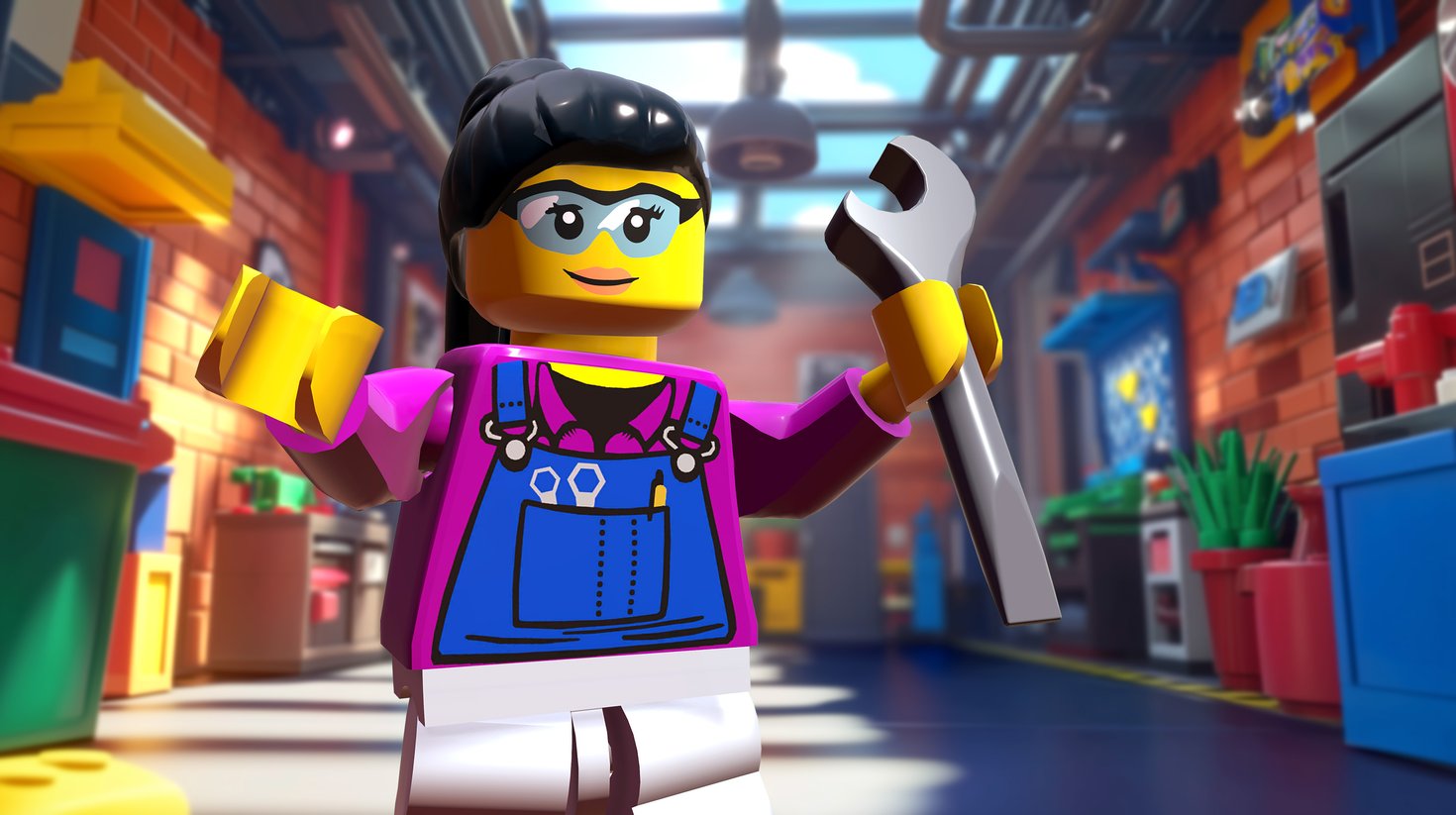
Zoe Foxlin is the owner and operator of Zoe's Garage, a central hub for robot builders in Stardust Springs. Known for her mechanical ingenuity, Foxlin has become an essential figure in the RoboBattles community.
Growing up in a family-owned aircraft repair shop, Foxlin spent her childhood surrounded by tools and machinery. Her mother, a pilot who ran Foxlin's Air Repair for over forty years, encouraged her natural curiosity about how things worked. By age twelve, Zoe could diagnose engine problems by sound alone, a skill that would later prove invaluable in RoboBattles maintenance.
The original Foxlin's Air Repair closed when her mother retired, but the building remained in the family. Years later, when Mayor Ishii launched the Neighborhood Workshop Initiative, Zoe converted the space into Zoe's Garage.
In the RoboBattles community, Foxlin serves as more than just a garage operator. Her deep mechanical knowledge makes her an invaluable resource for newcomers seeking guidance on their first builds. During tournaments, she often works behind the scenes as an emergency repair specialist, helping competitors salvage and rebuild their robots between matches.
Foxlin's approach to robot construction emphasizes whimsical designs. She encourages builders to think creatively about salvaged materials, finding silly, colorful, and wild uses for discarded items that others might overlook. This philosophy has influenced many builders in the community to consider not just how their robots will perform in competition, but how they will entertain the crowd and inspire young aspiring robot builders of all backgrounds.
Foxlin takes pride in making Zoe's Garage a welcoming place for all residents of Stardust Springs. Community members love to hang out in her garage. She keeps the snack drawer well stocked with everyone's favorite snacks, and prioritizes fun over rule-following. Foxlin always says "yes" to requests for help, no matter how busy her schedule is. She engages robot builders of all backgrounds by answering questions and sharing design ideas.